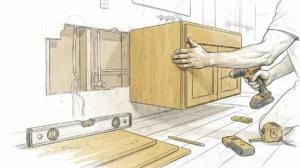
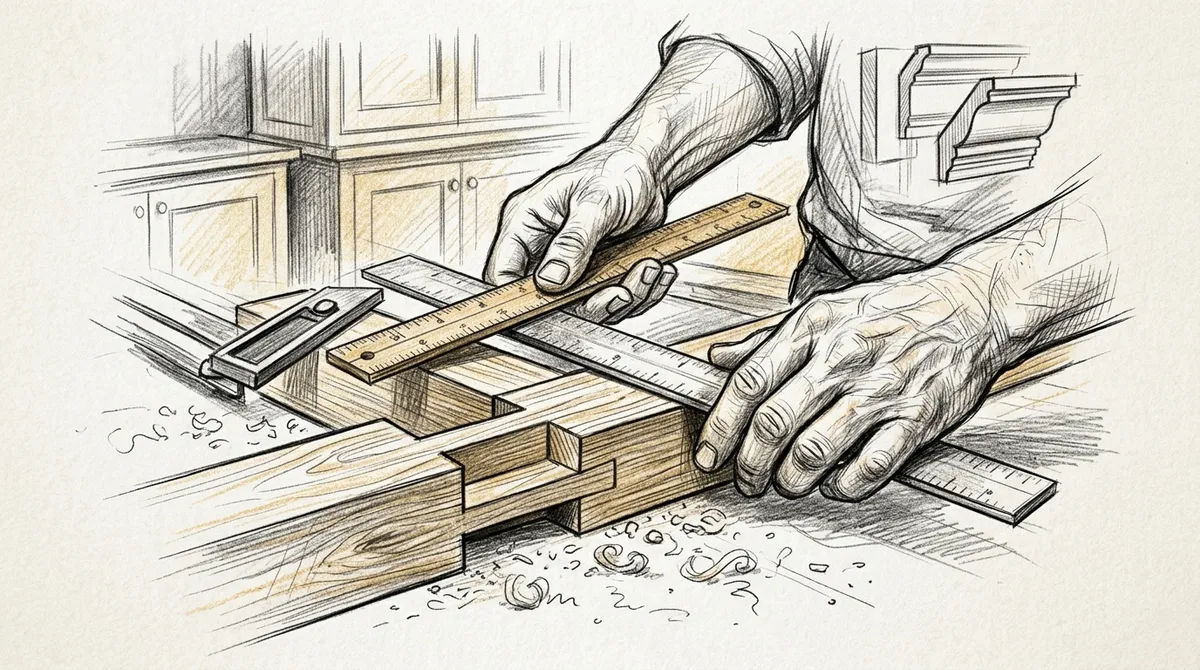
Key Takeaways
-
Carpenter hourly rates range from $25-$45 for apprentices to $85-$150+ for master custom carpenters, with rates reflecting experience level, project complexity, and location.
-
Custom carpentry work like built-in cabinetry, coffered ceilings, and crown molding commands premium rates because it requires advanced skills, precision tools, and years of hands-on experience.
-
Get multiple quotes (at least 3), check portfolios and references, and prioritize value over lowest price—skilled craftsmen justify higher rates through durability and quality that lasts decades.
-
Location significantly impacts rates; high-demand areas like Tampa Bay with strong custom carpentry demand and higher cost of living charge noticeably more than other regions.
Planning a home upgrade? One of the first questions homeowners ask is about carpenter hourly rates. Understanding what drives those rates helps you budget smarter and choose the right professional. Whether you’re dreaming of custom built-in cabinets, elegant crown molding, or a stunning coffered ceiling, knowing what to expect makes the process smoother. This guide breaks down everything you need to know about carpenter rates in plain, simple language — so you can make a confident, informed decision for your home.
Why Carpenter Hourly Rates Vary So Much
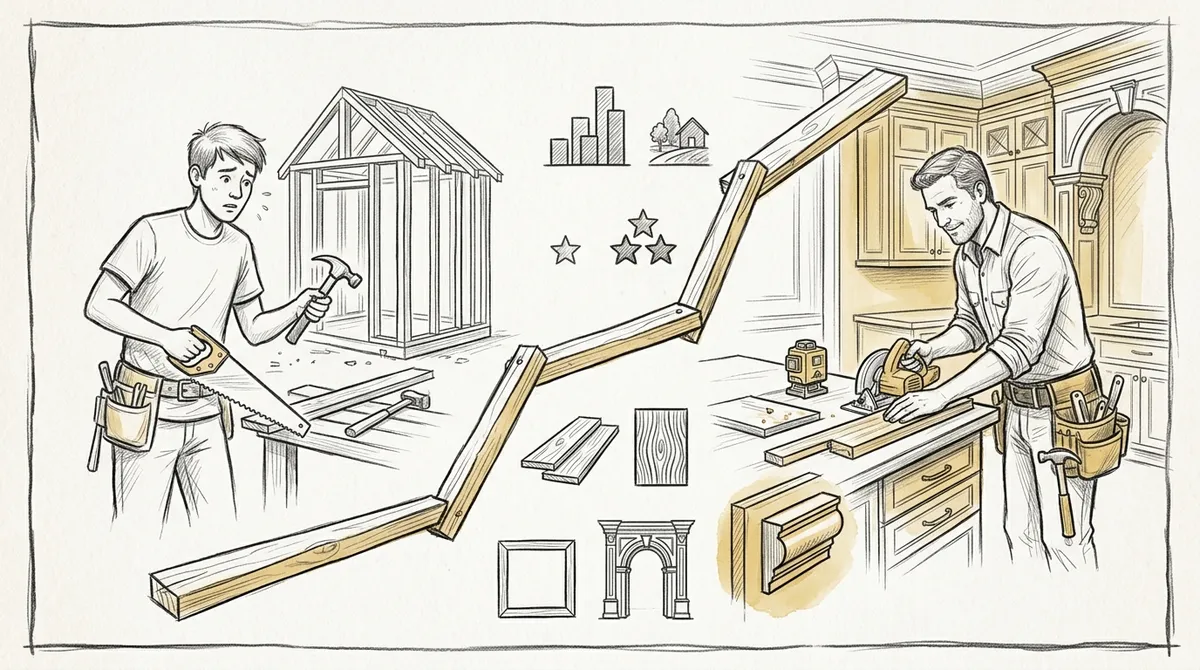
Not all carpenters charge the same rate. The price depends on many factors. Understanding these helps you see why two quotes can look very different. To learn more about carpentry and the skills involved, it helps to understand the depth of training required.
Here are the main factors that affect hourly rates:
- Experience level — A master carpenter charges more than an apprentice
- Type of work — Finish carpentry and custom work cost more than basic framing
- Project complexity — Intricate designs take more time and skill
- Materials used — Premium hardwoods and specialty materials add to costs
- Location — Urban and high-demand areas like Tampa Bay tend to have higher rates
- Tools and equipment — Specialized tools required for custom work factor into rates
Each of these elements plays a role in the final number you see on a quote. Custom carpentry work — like elaborate ceiling designs or handcrafted built-ins — naturally commands a higher rate than simple repairs.
Types of Carpenters and Their Typical Rates
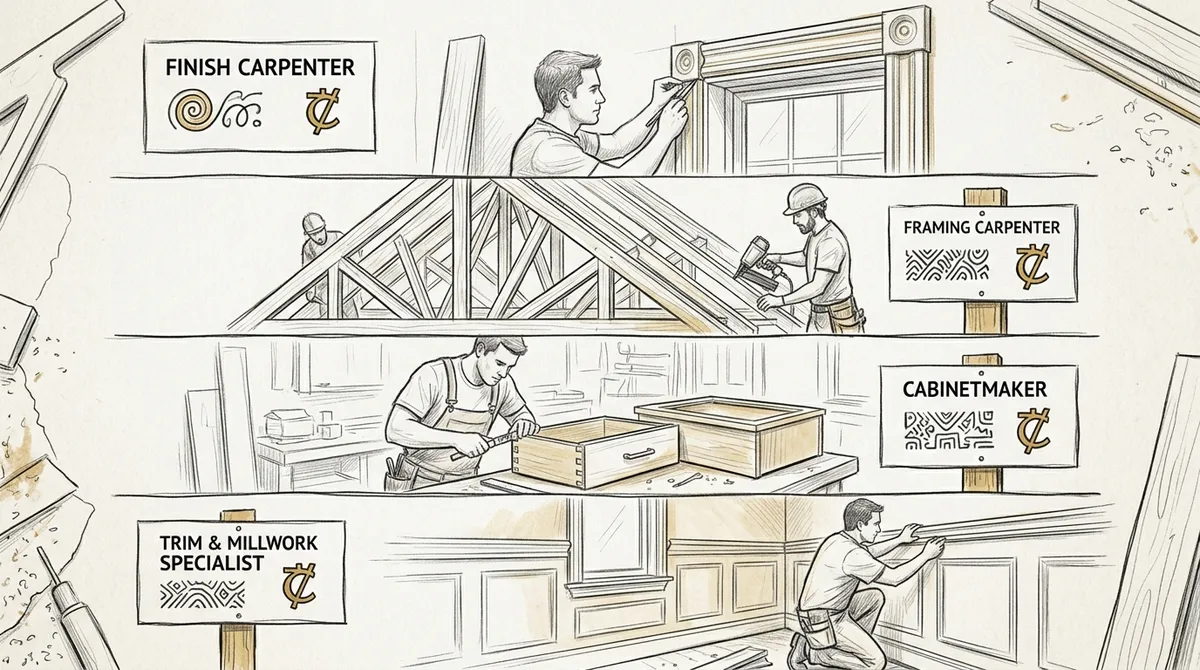
Different types of carpenters specialize in different work. Their rates reflect the complexity and skill required. It’s important to match the right carpenter to your project. You can also explore how to identify the 3 types of carpenters for your home to understand who fits your needs best.
| Carpenter Type | Typical Hourly Range | Common Work |
|---|---|---|
| Apprentice / Entry-Level | $25 – $45/hr | Basic repairs, simple trim work |
| Journeyman Carpenter | $45 – $75/hr | Standard installations, doors, flooring |
| Finish Carpenter | $60 – $100/hr | Crown molding, trim, built-ins, cabinetry |
| Master / Custom Carpenter | $85 – $150+/hr | Intricate custom work, high-end projects |
Custom carpenters, especially those who specialize in finish work and high-end details, sit at the top of this range. Their skill level justifies the investment. Projects like detailed molding work or custom wall enhancements require precise craftsmanship that only comes with years of experience.
What Custom Carpentry Work Costs More Per Hour
Some carpentry tasks are more labor-intensive than others. These typically carry a higher hourly rate. Here’s a look at which services tend to push rates upward:
- Custom built-in cabinetry — Requires precise measurements, custom cuts, and expert finishing. Learn why built-in cabinetry solutions transform your home.
- Coffered and tray ceilings — Complex geometry and detailed work add to hours needed. Discover what makes a tray ceiling worth adding to your home.
- Crown molding installation — Especially on crown molding with intricate profiles or on angled ceilings
- Custom door fabrication and installation — From design to fitting, custom doors take significant time
- Wainscoting and wall paneling — Detailed panel layouts and precise alignment take skill
- Built-in entertainment centers and bookcases — Multi-component builds with many moving parts
These services require not just time but a high level of skill. A carpenter with expertise in these areas will naturally charge more per hour — and for good reason.
How Location Affects Carpenter Rates
Where you live matters a lot when it comes to hourly rates. In areas like Tampa Bay, demand for high-quality custom carpentry remains strong. This affects what skilled carpenters charge.
Key location-related factors include:
- Cost of living in the region
- Local demand for custom carpentry services
- Competition among skilled tradespeople
- Proximity to premium materials and suppliers
In Florida’s Tampa Bay region, homeowners are investing heavily in home upgrades. Skilled carpenters are in high demand. If you’re looking for reasons to hire a Tampa carpenter, you’ll find that local expertise brings real value. You can also visit us on Google — Bucheli Trim to read reviews from real Tampa Bay homeowners.
Hourly Rate vs. Project-Based Pricing
Not every carpenter charges by the hour. Many custom carpenters prefer project-based pricing. This means you pay a flat fee for the entire job. Both approaches have pros and cons.
| Pricing Model | Pros | Cons |
|---|---|---|
| Hourly Rate | Transparent, good for small jobs | Hard to predict total cost |
| Project-Based (Flat Fee) | Predictable budget, clear scope | Scope changes can increase cost |
| Hybrid (Labor + Materials) | Flexible, common for custom work | Requires clear material estimates |
For custom carpentry projects, many experienced craftspeople prefer flat-fee quoting. This gives you a clearer picture of your total investment. However, understanding the hourly rate still helps you evaluate whether a quote is fair. Explore what the average charge per hour for a carpenter looks like across different project types.
What Affects the Quality of Workmanship
A higher hourly rate often reflects a higher level of quality. Here’s what separates an average carpenter from a true craftsman:
- Years of hands-on experience with complex projects
- Ability to work with premium hardwoods and specialty materials
- Precision fitting with tight tolerances and clean joints
- Strong attention to detail in finishing and sanding
- Professional tools designed for custom finish work
- Portfolio of completed high-end projects
When you pay a higher rate, you’re investing in results that last. Poor workmanship on finish carpentry can be very costly to fix. You can read about 13 signs of true craftsmanship in custom carpentry to know what to look for when hiring.
How to Get the Most Value From Your Carpenter
Getting value for money isn’t just about finding the lowest rate. It’s about making smart decisions throughout the process. Follow these steps to get the best outcome:
- Define your project clearly — Know exactly what you want before requesting quotes
- Get multiple quotes — Compare at least three quotes for any major project
- Ask about experience — Request examples of similar past work
- Check references and reviews — Talk to previous clients when possible
- Understand what’s included — Know if materials, cleanup, and touch-ups are covered
- Choose based on value, not just rate — The cheapest option rarely delivers the best result
For tips on choosing the right professional, read about 7 mistakes to avoid when hiring carpenters near me. Making the right hire from the start saves time and money.
Why High-End Custom Carpentry Is Worth the Investment
Custom carpentry adds lasting value to your home. It’s not just about looks — it’s about quality that stands the test of time. Higher hourly rates for skilled craftsmen reflect real expertise and precision.
Consider these benefits of investing in quality custom carpentry:
- Increased home value and buyer appeal
- Durable finishes that last decades, not years
- One-of-a-kind designs that match your exact vision
- Precise fit and function for every built-in or installation
- Professional finish that elevates the entire space
Bucheli Trim brings this level of quality to every project in the Tampa Bay area. From unique custom projects to precision custom door installations, every detail is handled with care. You can also follow along on Facebook to see recent projects and craftsmanship in action.
Understanding how much you should pay a carpenter comes down to the scope of your project, the skill level required, and your location. The going hourly rate for a carpenter reflects the depth of their expertise and the quality they bring to your home.
Conclusion
The going hourly rate for a carpenter varies widely — from entry-level workers to master craftsmen. For custom carpentry work like ceiling designs, built-in cabinetry, and detailed trim, expect to invest in experienced professionals who charge accordingly. The results, however, speak for themselves. Quality craftsmanship transforms your home and adds lasting value.
Ready to bring your vision to life? Get in touch with our team at Bucheli Trim today and discover what skilled custom carpentry can do for your Tampa Bay home.
FAQs
Q: What is the going hourly rate for a carpenter in 2026?
A: In 2026, carpenter hourly rates range from $25 per hour for entry-level workers to $150 or more per hour for master custom carpenters. The exact rate depends on the type of work, the carpenter’s experience, and your location.
Q: Why do custom carpenters charge more per hour than general carpenters?
A: Custom carpenters charge more because they specialize in complex, detail-heavy work like built-in cabinetry, crown molding, and coffered ceilings. These projects require advanced skills, precision tools, and years of hands-on experience that justify a higher hourly rate.
Q: Is it better to pay a carpenter hourly or by project?
A: For small tasks or repairs, hourly billing can work well. For larger custom carpentry projects, a flat project-based quote is often easier to budget for and helps prevent unexpected cost overruns. Always clarify what’s included in either pricing model before work begins.
Q: How do I know if a carpenter’s hourly rate is fair?
A: Request at least three quotes from experienced carpenters in your area and compare them. Also review each carpenter’s portfolio, references, and reviews. A higher rate from a skilled craftsman often delivers better long-term value than a lower rate from a less experienced worker.
Q: Does location affect what a carpenter charges per hour?
A: Yes, location plays a significant role in carpenter hourly rates. Areas with a higher cost of living, strong demand for custom work, or limited skilled tradespeople — like the Tampa Bay region — often see higher rates. Local market conditions directly influence what carpenters charge.