Key Takeaways
-
Match the pro to what is visible: if guests will see the work up close, such as trim, doors, or mantels, hire a skilled carpenter rather than a general handyman.
-
A handyman suits basic, hidden fixes like tightening hardware, patching small drywall holes, or assembling store-bought furniture where precise joinery isn't needed.
-
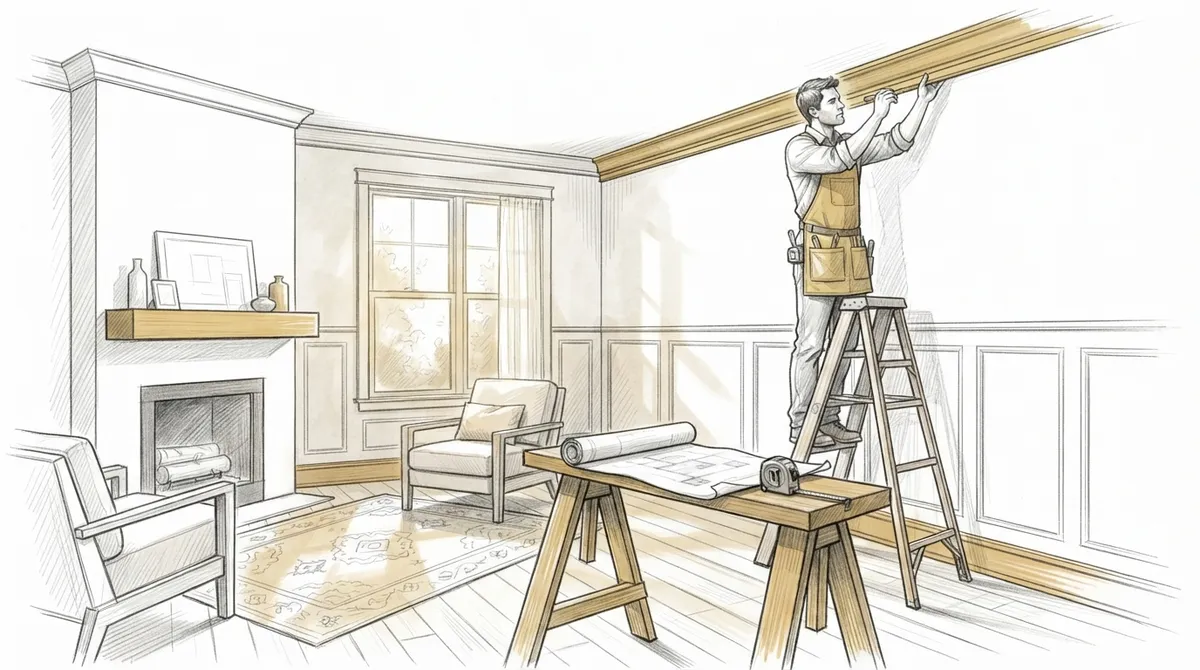
Small carpentry jobs like crown molding, door casings, wainscoting, and floating mantels can dramatically change a room's look for a few hours to a few days of work.
-
Ask before hiring whether the shop takes small jobs, how they handle wood movement in humidity, who does finishing work, and confirm licensing and insurance.
-
Get the scope of work in writing and walk the site with the carpenter before work begins to avoid surprises and keep the design intent clear.
-
Rushing is the top cause of poor small-job results, so prioritize clean measurements, flaw-adjusting prep, and careful fitting over a fast install.
You search for carpenters near me for small work, and a long list of names appears. Some say “handyman.” Some say “carpenter.” Some say “custom carpentry.” The labels blur together, and it is hard to know who fits a small job.
Small work does not mean simple work. A short run of trim, a hung door, or a few floating shelves can change how a room looks. It can also go wrong fast if the cuts are off by a hair.
This guide compares two paths for small jobs: a general handyman and a skilled carpenter. You will learn what each does well, how to match the job to the person, and how to hire with confidence in 2026. Whether you are a homeowner, an interior designer, or a developer, the same rules apply.
What Counts as Small Work in Carpentry?
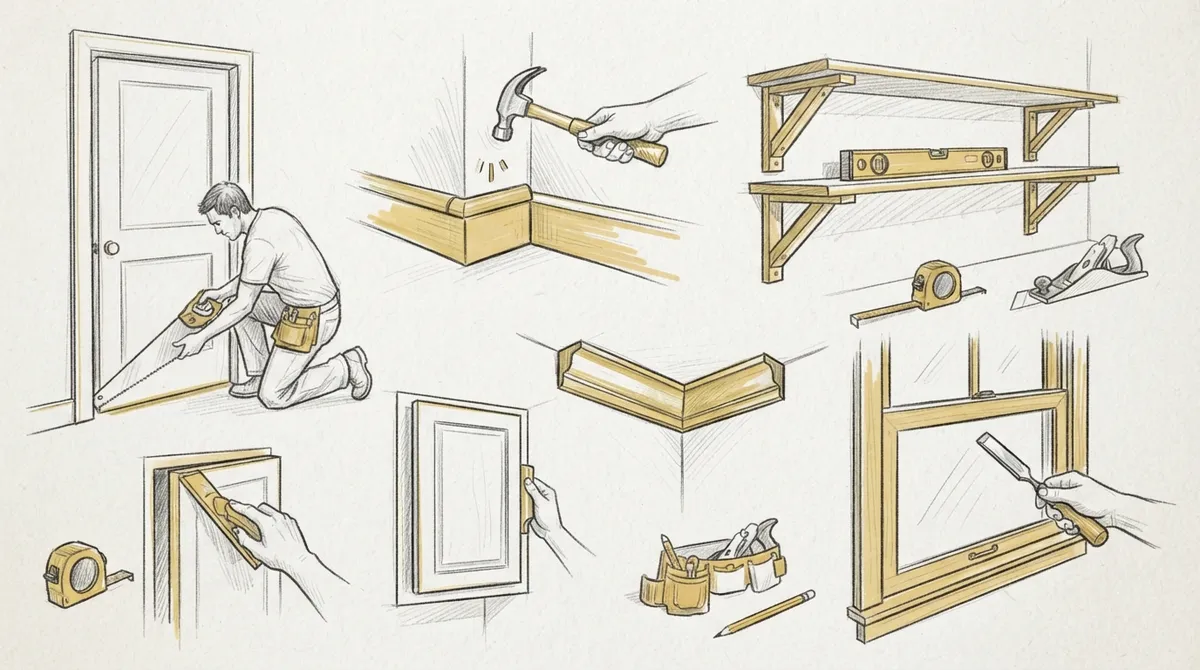
Small work is a job that takes a few hours to a few days. It has a tight scope and a clear finish line. It still needs real woodworking skill.
Common small carpentry jobs include:
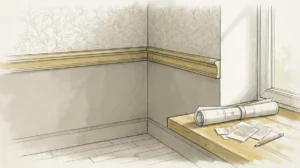
- Installing or fixing baseboards and door casings
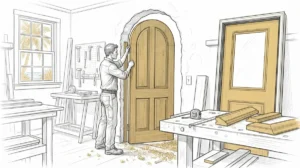
- Hanging a single interior door
- Adding a short run of crown molding
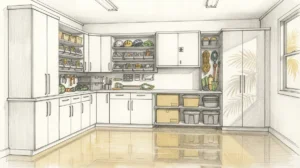
- Building one floating shelf or a small set of shelves
- Repairing damaged trim or a cabinet face
- Fitting a mantel or a small wall panel
These jobs look minor, but the details show. Gaps at a corner or a crooked reveal are easy to spot. That is why the choice of who you hire matters.
For more ideas, see these small carpentry projects that transform your home.
The Two Main Options for Small Jobs
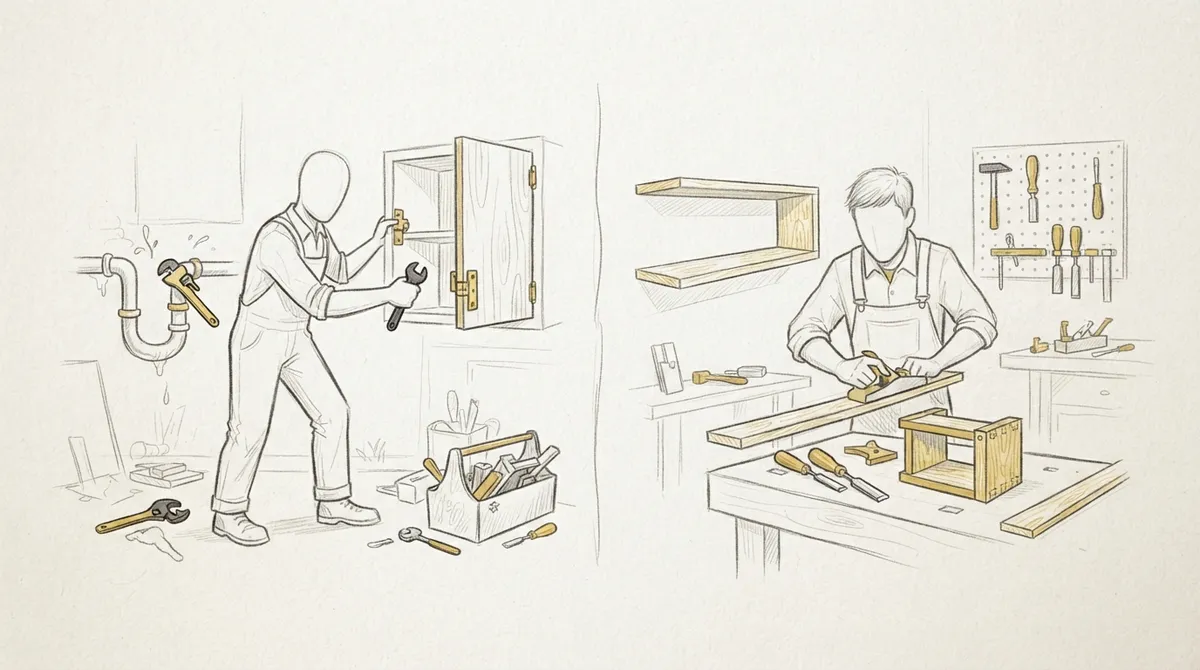
Most people choose between two kinds of help. Each has real strengths.
Option 1: The General Handyman
A handyman handles many trades. One visit might cover a leaky faucet, a loose hinge, and a patched wall. That range is useful when you have a list of mixed tasks.
A handyman is often a good fit for light, low-risk work. Think of tightening a loose handrail or swapping a cabinet knob. The job is simple, and the finish is not on display.
Option 2: The Skilled Carpenter
A carpenter works with wood as a core craft. This person reads plans, measures to tight tolerances, and fits pieces so seams nearly vanish. You can learn more about carpentry and its many branches, from rough framing to fine finish work.
For visible work, a carpenter who focuses on finish and trim is usually the better match. These pros know how wood moves, how corners meet, and how to hide a joint. You can read about what a finish carpenter does for your home to see the difference.
Handyman vs. Carpenter: Side-by-Side
This table shows how the two options compare on small jobs.
| Factor | General Handyman | Skilled Carpenter |
|---|---|---|
| Range of tasks | Wide, many trades | Focused on wood and trim |
| Fine finish quality | Varies by person | Core skill |
| Best for | Simple fixes and mixed lists | Visible trim, doors, built-ins |
| Custom fitting | Limited | Strong |
| Material knowledge | General | Deep wood and grain knowledge |
| Tools | Basic to mid-level | Precision saws and finishing tools |
| Risk if done wrong | Low on hidden work | Lower, because skill reduces errors |
The key point is simple. Match the person to what is on display. If a guest will see it, lean toward a carpenter. Our guide on the key differences between a carpenter and a handyman goes deeper.
When a Handyman Is the Right Call
A handyman can be the smart choice in some cases. Use one when the work is basic and not part of your main design.
- Tightening or replacing hardware
- Hanging a light picture frame or curtain rod
- Patching small drywall holes before paint
- Fixing a squeaky hinge
- Assembling store-bought furniture
In these cases, the result will not hinge on tight joinery. A general helper can finish the task, and you save time.
When a Carpenter Is the Better Choice
Some small jobs punch above their weight. They sit in plain view and set the tone of a room. Hire a carpenter for these.
- Trim and molding. Corners must meet cleanly. Gaps show up under light and paint.
- Door fitting. A door must swing true and sit even in the frame.
- Built-in shelving. Shelves must be level and carry weight without sagging.
- Custom pieces. A mantel, bench, or nook needs to fit your space exactly.
- Repairs to fine wood. Matching grain and finish takes a trained eye.
Trim is a good example. Wood expands and shrinks with Tampa Bay humidity. A carpenter plans for that movement so seams stay tight. For help picking styles, read about baseboard trim styles that elevate any room.
How Wood Details Make Small Work Look Big
A small job can change a whole room. A clean line of crown molding adds depth where a wall meets a ceiling. New casings around a window make it feel finished and sharp.
Small upgrades can also add value. Buyers notice crisp trim and well-hung doors. For developers, this is a low-effort way to make a home stand out. For designers, it is how a concept becomes real.
Here are a few small projects with a big visual return:
- Wainscoting on one wall of an entry or dining room
- A shiplap or paneled accent behind a bed or sofa
- Updated door and window casings
- A floating mantel over a fireplace
- A built-in bench with storage near the back door
If you want to see what trim can do, read about trim work as the custom carpentry detail that defines style.
How to Find Carpenters Near You for Small Work
Finding the right pro takes a short, clear process. Follow these steps.
- Define the job. Write down what you want, the room, and any photos you like.
- Search with local terms. Use phrases like “finish carpenter” and your city or area.
- Check real work. Look at photos of past projects. Look for sharp corners and clean joints.
- Read reviews. Look for comments on neatness, timing, and communication.
- Ask about small jobs. Not every shop takes them. Ask up front.
- Confirm licensing and insurance. This protects you if something goes wrong.
- Get the scope in writing. A clear scope avoids surprises.
For a deeper look, see how to find the best local carpenter near me and how to find a licensed carpenter near you.
Questions to Ask Before You Hire
Good questions reveal skill fast. Ask these before you say yes.
- Do you take small jobs, and what is your minimum scope?
- Can you show similar projects you have finished?
- How do you handle wood movement in Florida humidity?
- Who does the finishing, such as sanding, caulking, and paint prep?
- How long will the work take, and when can you start?
- What happens if the fit is off after install?
Clear, calm answers are a good sign. Vague replies are a warning. You can also review common errors in mistakes to avoid when hiring carpenters near me.
Common Mistakes on Small Jobs
Small jobs fail for the same few reasons. Knowing them helps you avoid them.
Hiring Only for Speed
A fast install can leave gaps and rough cuts. Good trim work takes time to measure, cut, and fit. Rushing is the top cause of poor results.
Skipping the Prep Work
Walls are rarely perfectly flat. A skilled carpenter checks for that and adjusts. A quick job may ignore it, and the trim will show every flaw.
Treating a Visible Job Like a Hidden One
A shelf in a closet and a mantel in a living room need different care. Match the skill level to how much the piece will be seen.
Read more about frequent trim errors in trim carpentry mistakes that ruin your home.
Why Local Matters for Small Work
A local pro knows your area. Homes in Tampa Bay face heat, humidity, and sudden storms. Wood moves more in this climate, and the right method makes a real difference.
A nearby carpenter can also come back fast if a fit needs a tweak. That is hard to get from a distant crew. Local pros often value their name in the community, so quality tends to matter more.
If you are weighing a nearby expert against a store install, see this comparison of a local custom carpenter vs. a big-box install.
How Bucheli Trim Handles Small Custom Work
Bucheli Trim is a custom carpentry company serving the Tampa Bay area. The team focuses on ceiling designs, wall enhancements, built-in cabinetry, and fine trim details. Small projects get the same care as large ones, because a clean line is a clean line at any size.
If you want to see how others rate the work, read what customers say on Google. You can visit Bucheli Trim on Google to browse reviews and photos. You can also follow updates on Facebook.
Services that often start as small jobs include molding details, door installation, and wall enhancements.
Tips for Designers and Developers
If you manage many rooms or units, small work adds up. A few habits keep it smooth.
- Bundle small tasks into one visit to save time.
- Share a clear drawing or photo for each item.
- Pick one trim profile and repeat it across spaces for a cohesive look.
- Walk the site with the carpenter before work begins.
- Plan paint and finish steps right after install.
These steps cut back-and-forth and protect your schedule. They also keep the design intent clear, so the finished result matches your plan.
Quick Decision Guide
Use this short checklist to decide who to call.
- Will people see the work up close? If yes, choose a carpenter.
- Does it need custom cuts or a precise fit? If yes, choose a carpenter.
- Is it a basic fix with no design role? A handyman may work.
- Is the wood fine, old, or valuable? Choose a carpenter.
- Not sure? Ask for a quick look and a plain-language opinion.
When in doubt, lean toward skill. A small job done right once is better than a small job redone twice.
Conclusion: Match the Pro to the Project
For small work, the best choice depends on what the job needs. A handyman suits simple, hidden fixes and mixed to-do lists. A skilled carpenter suits visible trim, doors, shelves, and any piece that has to fit just right.
If your project is part of a design you care about, hire the person trained for the craft. The extra care shows in every joint and line.
Ready to start? Contact Bucheli Trim to talk through your small project and get expert guidance on the right approach for your home.
FAQs
Q: Do carpenters take small jobs?
A: Many do, but not all. Some shops focus on large projects, so ask about their minimum scope before you book. A local custom carpenter often welcomes small, detail-focused work such as trim, doors, and shelving.
Q: What is the difference between a carpenter and a handyman for small work?
A: A handyman covers many trades and suits simple fixes. A carpenter specializes in wood and fine fitting, which matters for visible trim, doors, and built-ins. Choose a carpenter when the finish will be seen up close.
Q: What small carpentry jobs make the biggest visual impact?
A: Trim and molding upgrades, new door casings, wainscoting on one wall, and floating mantels often change a room the most. These projects are small in scope but sit in plain view. Clean lines make the whole space feel finished.
Q: How do I find a good carpenter near me for a small project?
A: Search with local terms, then review photos of finished work and customer reviews. Ask whether they take small jobs, and confirm licensing and insurance. Get the scope of work in writing before they start.
Q: Why does a local carpenter matter in Tampa Bay?
A: Local pros understand how heat and humidity affect wood. They plan for movement so seams stay tight over time. They can also return quickly if a fit needs a small adjustment.